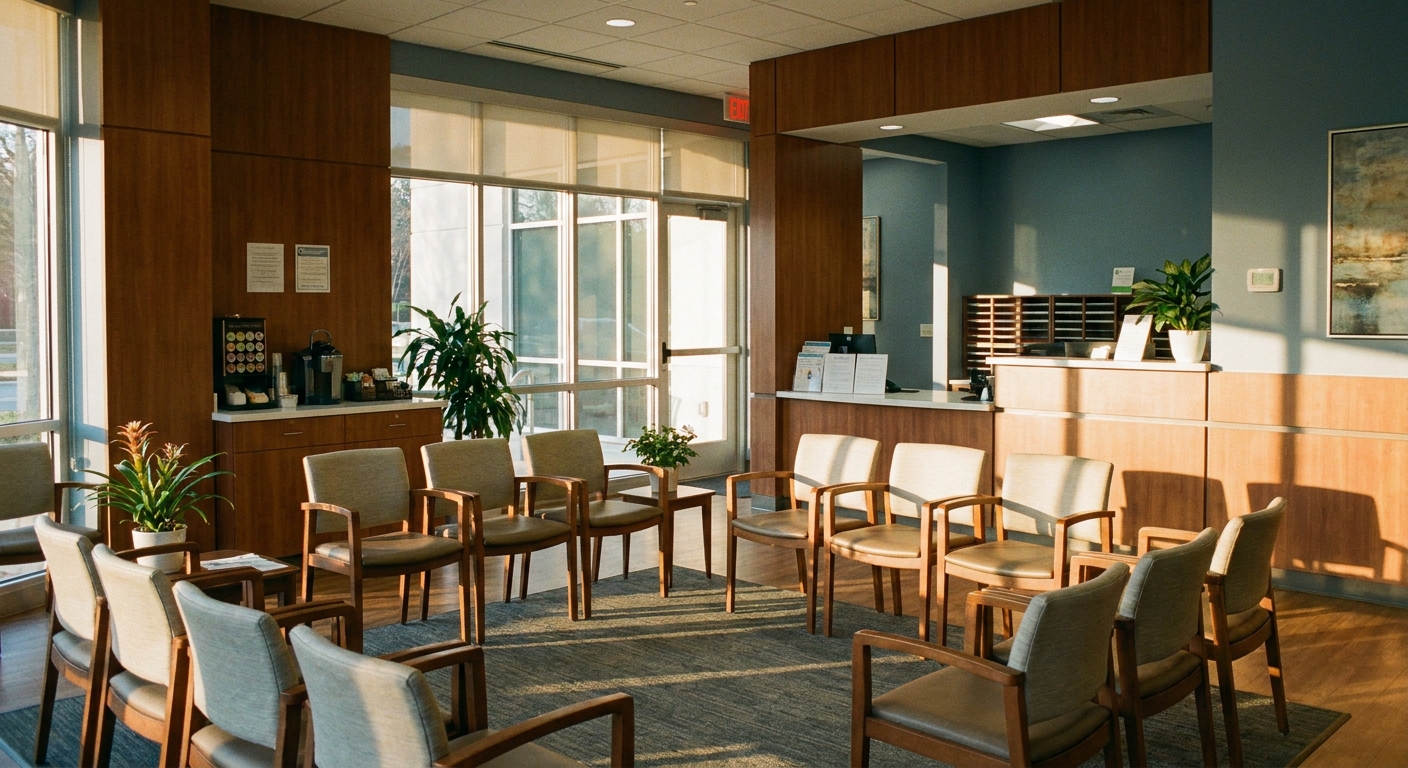
Non residential opioid rehab can give you intensive, structured care while you stay rooted in your everyday life. Instead of stepping away from your home, work, and relationships, you attend scheduled sessions and return home the same day. For many people, this balance between treatment and daily responsibilities is the key to lasting freedom from opioid use.
You might be wondering whether you can really rebuild your life without going into a residential facility. With the right level of outpatient support, the answer is often yes. Non residential opioid rehab combines clinical care, therapy, accountability, and recovery support in a way that fits the reality of your life.
Understanding non residential opioid rehab
Non residential opioid rehab is a broad term that usually includes traditional outpatient care, intensive outpatient programs, and partial hospitalization or day treatment. In all of these options, you sleep at home and travel to a clinic or treatment center for scheduled services.
According to national guidelines, non residential treatment can range from fewer than 9 hours per week of counseling in standard outpatient care to at least 9 hours per week in intensive outpatient programs, often delivered across several days per week in a highly structured format [1]. This design allows you to participate in a clinically guided opioid addiction treatment program while maintaining connections to work, school, and family.
You may hear terms like “outpatient opioid addiction treatment,” “structured outpatient care,” or “day treatment.” All of these can fall under the umbrella of non residential opioid rehab. The key feature is that you are not living at a facility full time.
How outpatient treatment levels work
Non residential opioid rehab is not one single type of program. Instead, you have a continuum of options that can be matched to your specific needs and level of stability.
Standard outpatient care
Standard outpatient opioid addiction treatment generally involves fewer than 9 hours per week of scheduled services. You might see a therapist once or twice a week, join a weekly group, and check in with a case manager or counselor as needed [1].
This level is often appropriate when:
- You have already completed a higher level of care.
- You have strong support at home.
- You are relatively stable in your recovery.
- You can manage cravings and triggers with existing skills.
Outpatient care can still be highly structured. Many centers offer a dedicated opioid addiction counseling program that includes individual sessions, group work, and family involvement to help you maintain progress.
Intensive outpatient programs
Intensive outpatient programs, commonly called IOPs, are a central part of non residential opioid rehab. Research on thousands of patients has shown that IOPs, which provide a minimum of 9 hours per week of treatment, often produce outcomes comparable to inpatient or residential care for many people with alcohol and drug use disorders [2].
In a structured opioid use disorder outpatient treatment, you might attend:
- Multiple group therapy sessions per week
- Weekly individual counseling
- Psychoeducation and skills groups
- Relapse prevention planning
- Family or couples sessions when appropriate
For many people, this level of structured outpatient opioid treatment offers an intensive, supportive framework while you continue to live at home. Evidence suggests that IOPs can extend treatment over a longer period than some residential programs, which can provide more time to practice and consolidate new recovery skills in real life situations [2].
Partial hospitalization and day treatment
Some non residential programs function as partial hospitalization or day treatment. You may attend treatment most of the day, several days per week, and return home at night. National guidelines describe these models as appropriate for people who do not need 24 hour supervision, but who require more structure than traditional outpatient care [1].
These programs can be especially helpful:
- After a brief residential stay
- When your symptoms are severe but stable
- When your home environment is supportive but you need intensive daily structure
Your team can adjust your level of care up or down as your stability, safety, and needs change.
How you are assessed and matched to care
Effective non residential opioid rehab starts with a careful, honest assessment. This is where you and the clinical team work together to determine the safest and most effective level of care for you.
During an intake or assessment, you can expect questions about:
- Your opioid use history and current pattern
- Other substances you use, such as alcohol or benzodiazepines
- Medical conditions, including pain and mental health concerns
- Previous treatment experiences
- Current medications
- Home environment, support system, and safety
- Work, school, and family responsibilities
Clinical guidelines emphasize that people with more severe use, medical instability, or recent suicidal thoughts may sometimes benefit more from inpatient or residential care, at least initially [2]. This does not mean non residential rehab is off the table for you. It often means you might start at a higher level of support and then step down into outpatient care as you stabilize.
If you do not need inpatient detox or 24 hour monitoring, your team can help you move directly into an opioid addiction treatment without inpatient pathway that still provides structure and accountability.
What goes into your individualized treatment plan
Once your assessment is complete, your providers collaborate with you to create an opioid addiction treatment plan that is specific to your situation. Rather than a one size fits all schedule, you receive a roadmap that defines what you will work on and how you will measure progress.
A comprehensive non residential plan usually addresses:
- Frequency and type of therapy sessions
- Group programming and education
- Recovery goals for the next 30, 60, and 90 days
- Craving management and coping strategies
- Support for work, school, and family roles
- Transportation, childcare, or other practical barriers
- Safety planning and crisis protocols
Your plan is not static. It is reviewed and updated regularly based on your progress, challenges, and any shifts in your life circumstances. This approach is what allows an opioid addiction clinical treatment program to stay aligned with your actual day to day experience.
Therapy and counseling at the core of rehab
While medication can be one tool in opioid recovery, non residential rehab places a strong emphasis on behavioral and psychological support. Therapy helps you understand why opioids became part of your life and builds the skills needed to live differently.
Individual therapy
In individual sessions through an opioid addiction therapy program, you and your therapist explore:
- Triggers and patterns that lead to opioid use
- Underlying emotional pain or trauma
- Beliefs you hold about yourself, others, and substances
- Relapse warning signs
- Healthier ways to manage stress, anger, sadness, or boredom
Approaches like cognitive behavioral therapy are frequently used to help you recognize and change unhelpful thought patterns that keep you stuck in a cycle of use.
Group therapy and psychoeducation
Group settings are a major component of most non residential opioid rehab programs. Sharing space with others who understand your experience can reduce shame and isolation. Group topics often include:
- Coping with cravings and urges
- Handling high risk situations
- Building healthy routines and structure
- Managing mental health symptoms
- Navigating relationships in recovery
In addition, many programs offer education on how addiction affects the brain and body. This knowledge can support the changes you are making and help you communicate with loved ones about what you are facing.
Family and relationship support
Opioid use affects more than one person. Including partners, parents, or adult children in selected sessions can strengthen your support network and address long standing patterns in the home. Programs that provide opioid addiction help for families can guide you all toward healthier communication and boundaries.
Safety, structure, and accountability outside the facility
One of the most important questions about non residential opioid rehab is how safety and accountability are maintained when you are not living at the center. A well designed opioid addiction care program addresses this directly.
You can expect elements such as:
- Regular, scheduled sessions that anchor your week
- Clear expectations around attendance and participation
- Routine check ins about cravings, triggers, and any use
- Structured relapse prevention planning
- Crisis plans that outline who to contact and what steps to take
Some programs incorporate drug testing as part of the clinical process. While this can feel uncomfortable, many people discover that it provides an external layer of accountability that supports their internal motivation to stay on track.
If you are ever in immediate danger or in crisis, emergency services are always available. For non emergency support and referrals, you can contact SAMHSA’s National Helpline at 1 800 662 HELP. This free, confidential service connects you to local treatment facilities, support groups, and community programs, including outpatient and non residential options [3].
Relapse prevention as an ongoing practice
Relapse prevention is not a single worksheet or one time conversation. It is an ongoing process that gives you tools to identify risks early and respond effectively.
In a dedicated opioid relapse prevention program, you might work on:
- Mapping your personal relapse warning signs
- Identifying people, places, and situations that increase risk
- Creating layered plans for high risk events and seasons
- Building daily routines that support sleep, nutrition, and stress management
- Rehearsing what you will say and do if cravings spike
You are not expected to rely on willpower alone. Instead, you learn to stack your environment, routines, and support systems in your favor. Your treatment team and peers help you refine this plan as your life circumstances shift.
Relapse prevention is less about perfection and more about early recognition, quick response, and learning from what happens.
How non residential rehab supports long term freedom
Many people find that treatment is most effective when it fits the realities of their lives. Non residential opioid rehab offers several advantages that directly support lasting change.
You are able to apply skills in real time. Instead of practicing coping strategies only in a controlled facility setting, you experiment with them in your actual environment. When challenges come up, you bring them back into your opioid addiction recovery services sessions to process and adjust.
You maintain or rebuild your roles. You can continue working, studying, caring for children, and engaging in your community while you recover. This continuity can protect your sense of identity and purpose, which is crucial for sustainable recovery.
You extend the length of structured support. Some outpatient programs can work with you for many months or longer, offering ongoing opioid addiction recovery support as you move through different stages of healing. Research suggests that these longer durations in intensive outpatient care are linked with meaningful reductions in substance use and increases in abstinence for many people [2].
Most importantly, you are practicing living free from opioids in the same spaces where you once used. This is challenging, but it is also the very heart of lasting freedom.
When non residential rehab is a strong fit
Non residential opioid rehab is especially worth considering if:
- You do not require 24 hour medical monitoring.
- You are medically stable and can safely live at home.
- You have at least some supportive people in your life.
- You are willing to attend frequent sessions and engage seriously.
- You want to preserve work, school, or family responsibilities.
If you feel that inpatient detox might be necessary first, you can still plan to transition into an opioid addiction treatment without detox model afterward, focusing on therapy, education, and recovery skills once withdrawal has been medically addressed.
Many treatment centers also integrate telehealth services as part of non residential care.
National guidance highlights telehealth as a useful first line and maintenance option in outpatient opioid treatment, especially for people who have difficulty attending in-person sessions. This approach improves access, reduces stigma, and allows patients to continue care from home without interruption .
This adds another layer of flexibility without sacrificing access to clinical support, particularly for individuals managing drug use and recovery.
Taking your next step
If you are exploring non residential opioid rehab, you do not need to have every answer before you reach out. Your willingness to ask questions and consider change is already part of your recovery.
You can:
- Contact a local opioid addiction treatment center outpatient to schedule an assessment.
- Explore an evidence based opioid treatment program that outlines its outpatient options clearly.
- Ask about programs focused on opioid addiction treatment for adults that offer step down levels of care.
- Reach out to SAMHSA’s National Helpline at 1 800 662 HELP, or text your ZIP code to 435748 (HELP4U), to receive localized treatment referrals and information in your area [3].
You are not choosing between “real treatment” and your real life. With the right opioid recovery program outpatient, you can have both. Clinical care, therapy, accountability, and ongoing support can all be integrated into a non residential opioid rehab pathway that respects your responsibilities and your goals.
Your freedom does not have to wait for a perfect moment. It can start with the next conversation you have about getting help.